
Menu
The landscape becomes the matrix of the project, building a new dialogue between archaeology, environment and community.
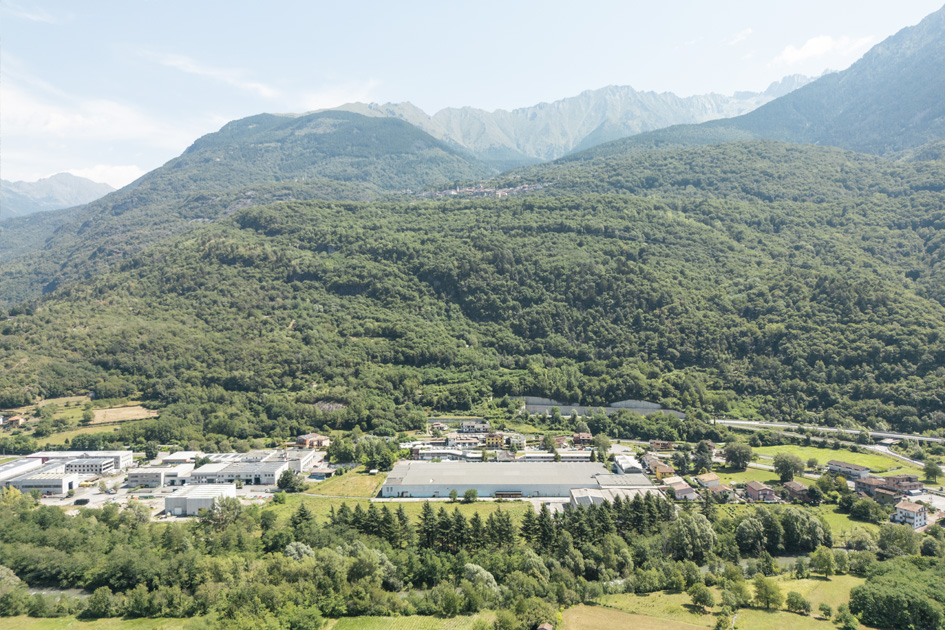
In the premises of the former Niggeler & Kupfer spinning mill in Ceto, a new cultural hub is being created, dedicated to the Valle dei Segni and its extraordinary archaeological and landscape heritage. The project transforms a disused industrial site into an open infrastructure capable of connecting culture, research, hospitality and territory, positioning itself as a new gateway to Valle Camonica and as a starting point for a network of routes linking archaeology and the natural environment.
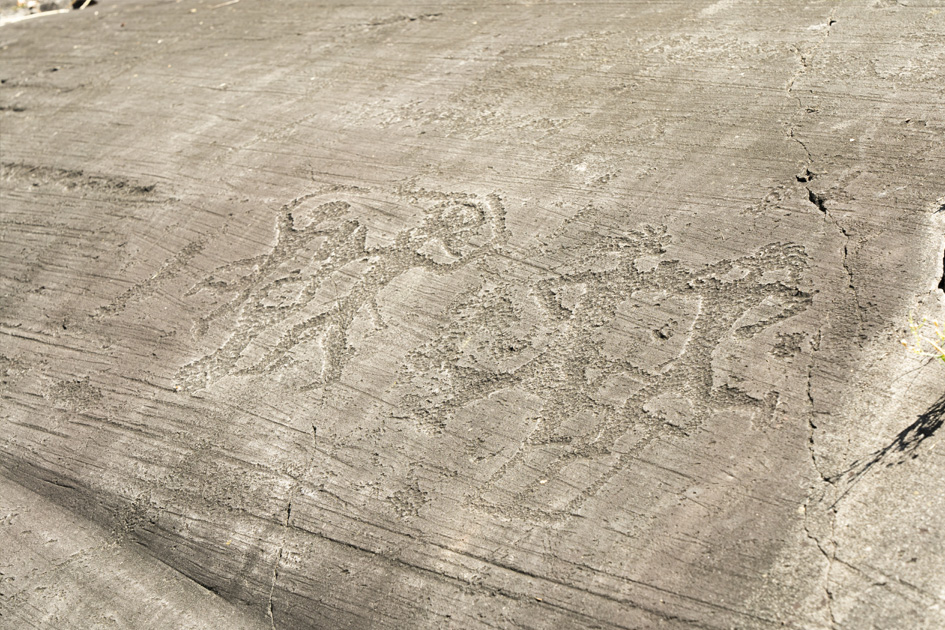
Ceto lies at the southern access point of the Valle dei Segni, between Monte Concarena and Pizzo Badile Camuno, in a territory characterised by archaeological and landscape heritage of exceptional value. This is where one of the most important groups of rock carvings in Valle Camonica is concentrated; its rock art was, in 1979, the first Italian site to be inscribed on the UNESCO World Heritage List. Since 2018, the territory has also been part of the UNESCO MAB Biosphere Reserve “Valle Camonica – Alto Sebino”.
In this context, the recovery of the former Niggeler & Kupfer spinning mill represents an opportunity to transform a disused industrial site into a new cultural and territorial device, capable of strengthening the relationship between heritage, landscape and community. The new hub is conceived not as an isolated episode, but as a gateway to the valley and a tool for connection, able to build a new, contemporary narrative for Valle Camonica and to project its historical and cultural value onto a national and international scale.
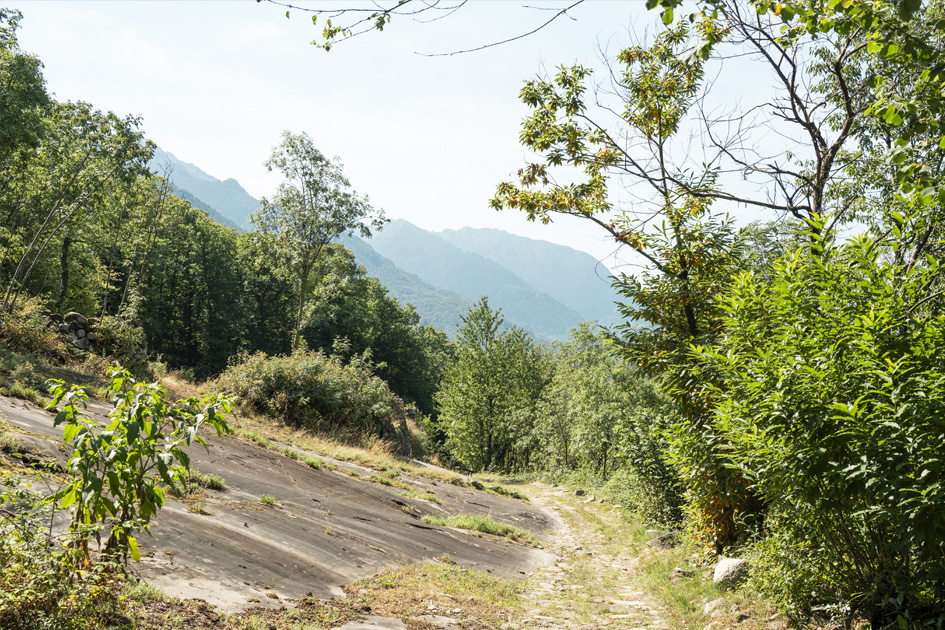
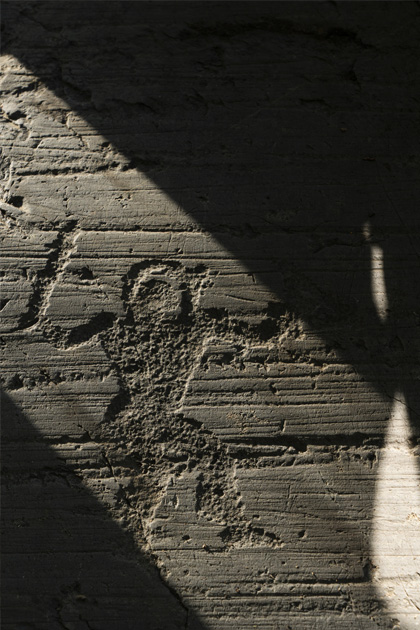
The project takes the landscape as its matrix, making the relationship between cultural heritage, environment and community the generative principle of the intervention. The rock carvings – the Pitoti, described in the project material as Europe’s most extensive prehistoric semiographic archive – become an interpretative key for reading the matter, morphology and stratification of the territory, guiding the development of the architecture.
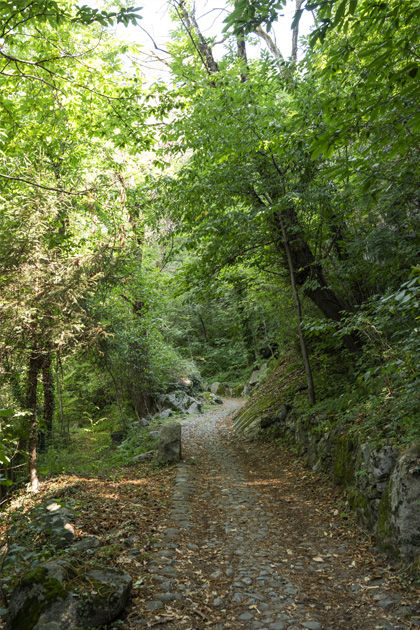
The Cultural Hub is conceived as an open infrastructure and an element of territorial reconnection, capable of re-establishing physical, cultural and landscape connections. The programme integrates exhibition spaces, areas dedicated to research, an auditorium, services and visitor reception areas, positioning the hub as the starting point for a wider network of routes through the Valle dei Segni.
The regeneration of the former industrial complex thus becomes the means for building a new relationship between archaeology and contemporaneity, built heritage and natural landscape, moving beyond the scale of the single building to place it within a wider territorial network.
At this design stage, the energy and environmental aspects are addressed first of all through a strategy of regeneration and enhancement of the existing building, which gives a new function to a disused industrial site, limiting further land take and reconnecting it to the valley’s landscape system.
The approach pays particular attention to the relationship with the morphology of the territory, to the materiality and environmental characteristics of the context, treating the landscape not as a mere backdrop but as a structural component of the project. The creation of new connections and of a network of routes linking the cultural hub, archaeology and the natural environment further helps to strengthen the integrated use of the territory.

2026 POLITECNICA INGEGNERIA ED ARCHITETTURA SOCIETÀ COOPERATIVA ® | ISC. REG. IMPRESE DI MODENA - PI 00345720361