
Menu
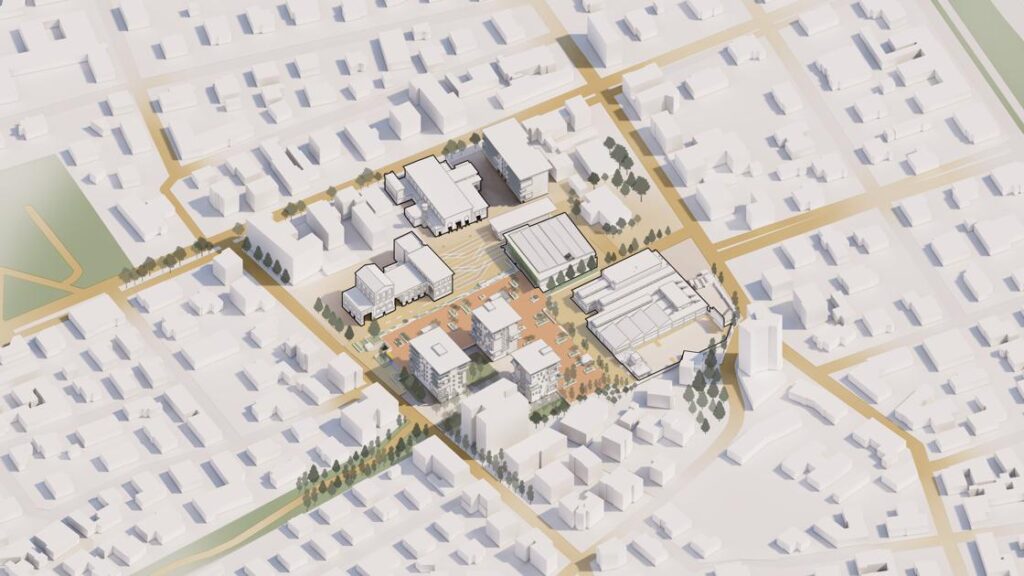
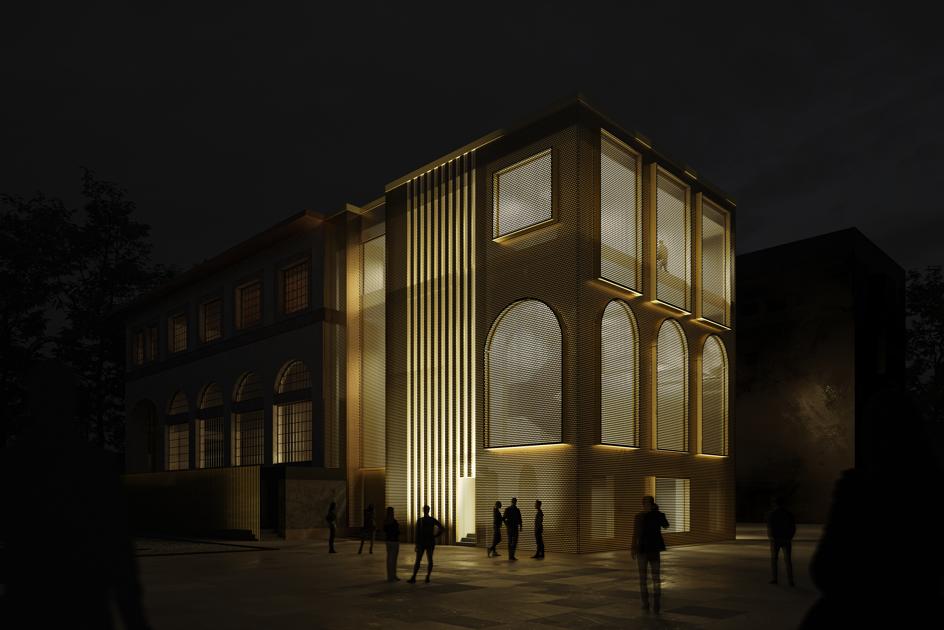
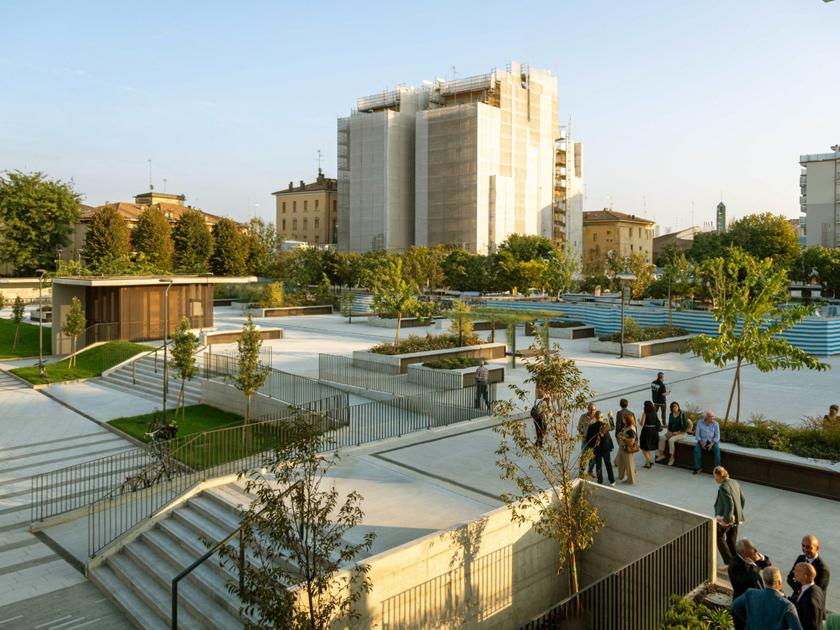
Urban rehabilitation and regeneration of the "former AMCM" Industrial Archaeology compartment, with the inclusion of public functions such as cultural, theatre and sports facilities, guesthouse, commercial surface and parking.
The regeneration of Modena's former AMCM industrial area is a prime exemple of public-private partnership, where public goals and entrepreneurial visions interlaced, highlighting the potential of a place that is both challenging and fascinating. The interweaving of history, development and culture resulted in the new Creativity Park: an enjoyable space, dedicated to meeting, experimentation, art, and events, reinterpreting the industrial archaeology area, located in the center of the city, where, in the past, the large Power Plant and the adjoining buildings provided energy to the entire city.
The Creativity Park area is sited in the heart of Modena, a few steps away from Piazza Grande; overlooking the belt boulevards, it is characterized by important evidence of industrial archaeology. The urban regeneration project aimed at functional recovery, enhancement of public heritage through the creation of a multifunctional meeting place for cultural promotion and connection with the city, contemporary life-focused.
In the regeneration project, contemporary ways of living and experiencing the city intertwine with renewed cultural, artistic, and entertainment offerings, as well as support services, all interpreted according to high sustainability standards. Both citizens and tourists will find in the Creativity Park public spaces dedicated to various forms of culture: workshops for the arts, communication, and the digital world; spaces for outdoor performances and events; a new outdoor cinema lounge for the summer season; and a CONI-accredited gym for national basketball tournaments, all within a fully pedestrianized area that enhances the value of the historic buildings restored to new life.
A key highlight within the area is the Teatro delle Passioni, whose organizational and functional choices have been developed in respect of the historical and testimonial characteristics of the site. This was achieved through a participatory design process shared with ERT (Emilia Romagna Theatres), which, alongside the Municipality of Modena, strongly supported the creation of the New National Theatre. The complex features two halls, one for rehearsals and performances, and the other designed for a powerful emotional impact, equipped with a large stage, stage tower, new dressing rooms, and spaces dedicated to theater companies.
The design of the outdoor spaces, including connection and gathering pathways, the decision to pedestrianize the area, and to limit surface parking to the lot's edges, aims to enhance the history of the area and, more generally, its urban landscape.
The identified interventions and solutions targeted environmental sustainability through reduction of the energy impact resulting from the use of non-renewable energy sources. The whole design was developed to promote green areas and soft mobility. Flower beds and pools with hedges and trees were positioned on the promenade to shade and ventilate plazas and paths. Photovoltaic systems and green facades increase the sustainability of the intervention, ensuring great possibilities for energy-environmental certifications.


2026 POLITECNICA INGEGNERIA ED ARCHITETTURA SOCIETÀ COOPERATIVA ® | ISC. REG. IMPRESE DI MODENA - PI 00345720361